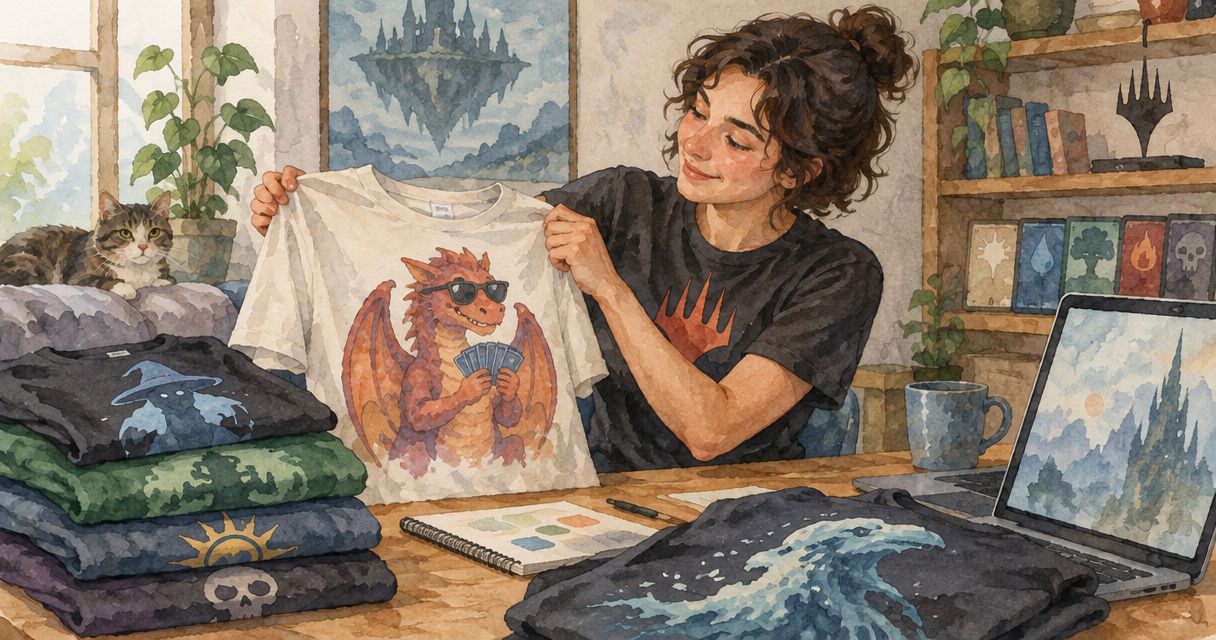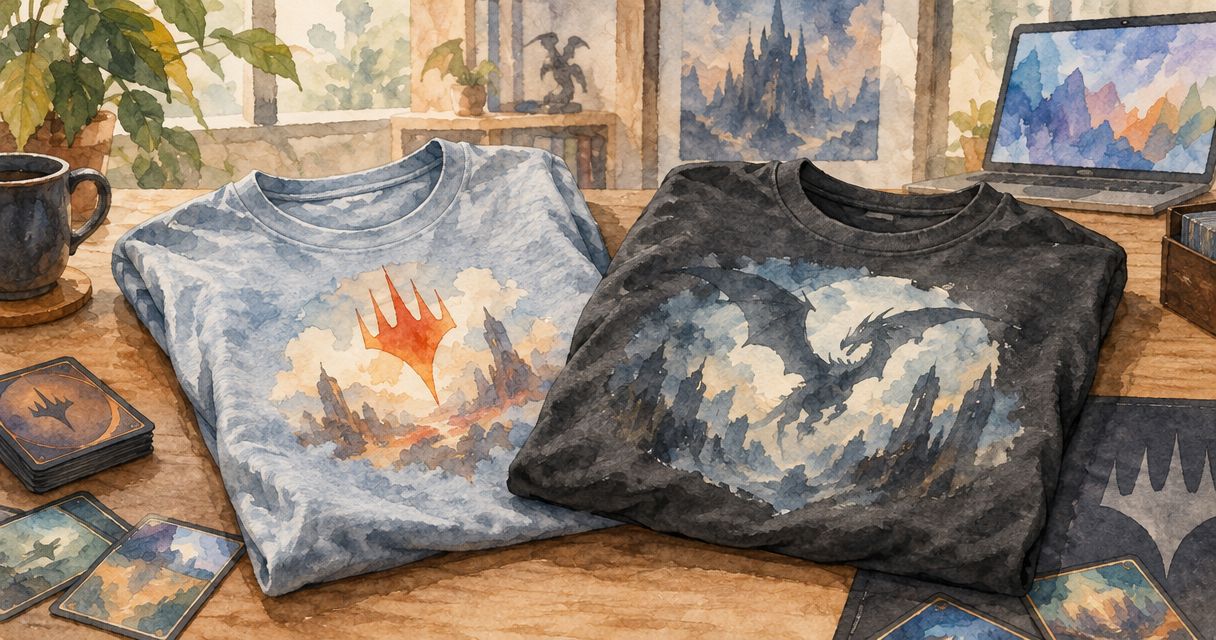
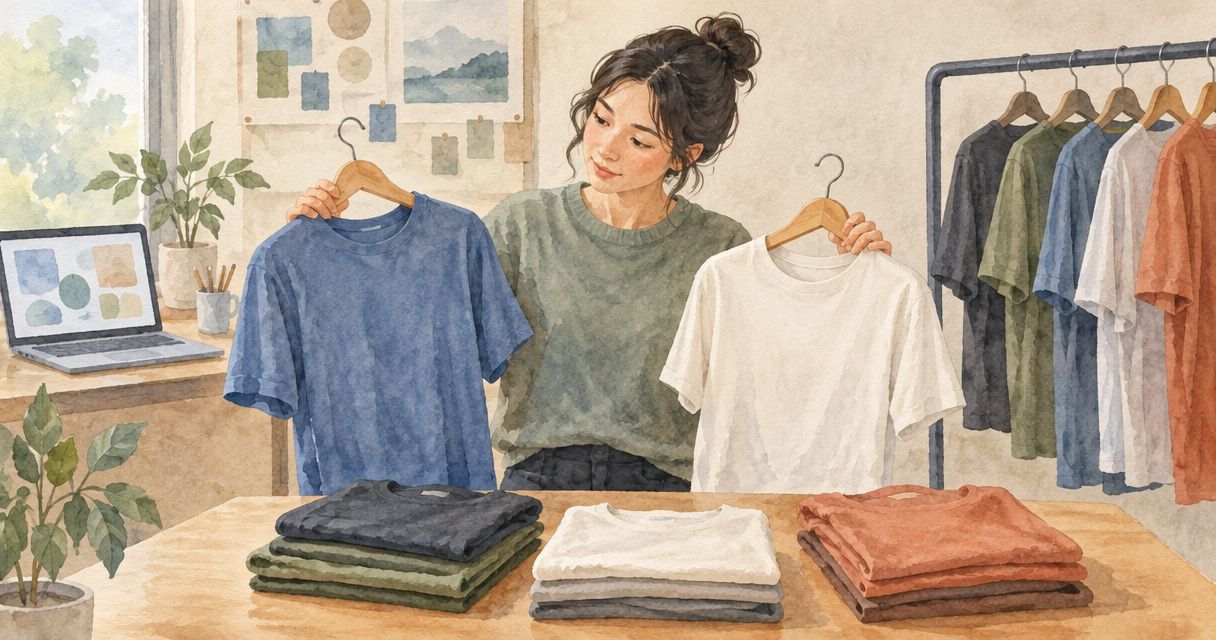
Choose MTG shirts by comparing the specific product’s size chart with a shirt you already like wearing, then checking the fabric, cut, and care instructions. Match garment measurements to garment measurements—not your usual size label—and allow the room you need for sitting, reaching, and layering. For made-to-order shirts, settle the fit before choosing the pun; equip costs are easier to resolve than an uncomfortable neckline.
- Choose MTG shirts using the specific product’s measurements, not your usual letter size.
- Compare chest width, body length, and sleeve fit with a favorite T-shirt.
- Equip Cost Zero suits Magic: The Gathering players seeking made-to-order pun apparel; check each shirt’s fit details before ordering.
- For Magic: The Gathering gifts, confirm the recipient’s preferred shirt measurements rather than guessing.
Why this matters
A funny design does not fix a shirt that pulls across your shoulders or bunches under your arms. You want something comfortable through a seated game, not just something that looks right while you stand in front of a mirror.
For your 2026 shirt purchase, start with the individual product details at Equip Cost Zero. Treat the size chart as the deciding evidence and the size name as a label. If the page does not explain whether its chart shows body or garment measurements, clarify that before ordering.
How do you choose the right fit for MTG shirts?
Use a familiar shirt as your reference, identify what the product’s chart measures, and compare the dimensions that affect your comfort. Then check the cut and fabric before selecting a size. Follow this order so a great joke does not talk you into the wrong fit.
- Choose a reference shirt. Pick a clean, dry T-shirt you actually enjoy wearing, preferably after its normal wash routine. Avoid using a shirt that only fits well when you keep adjusting it.
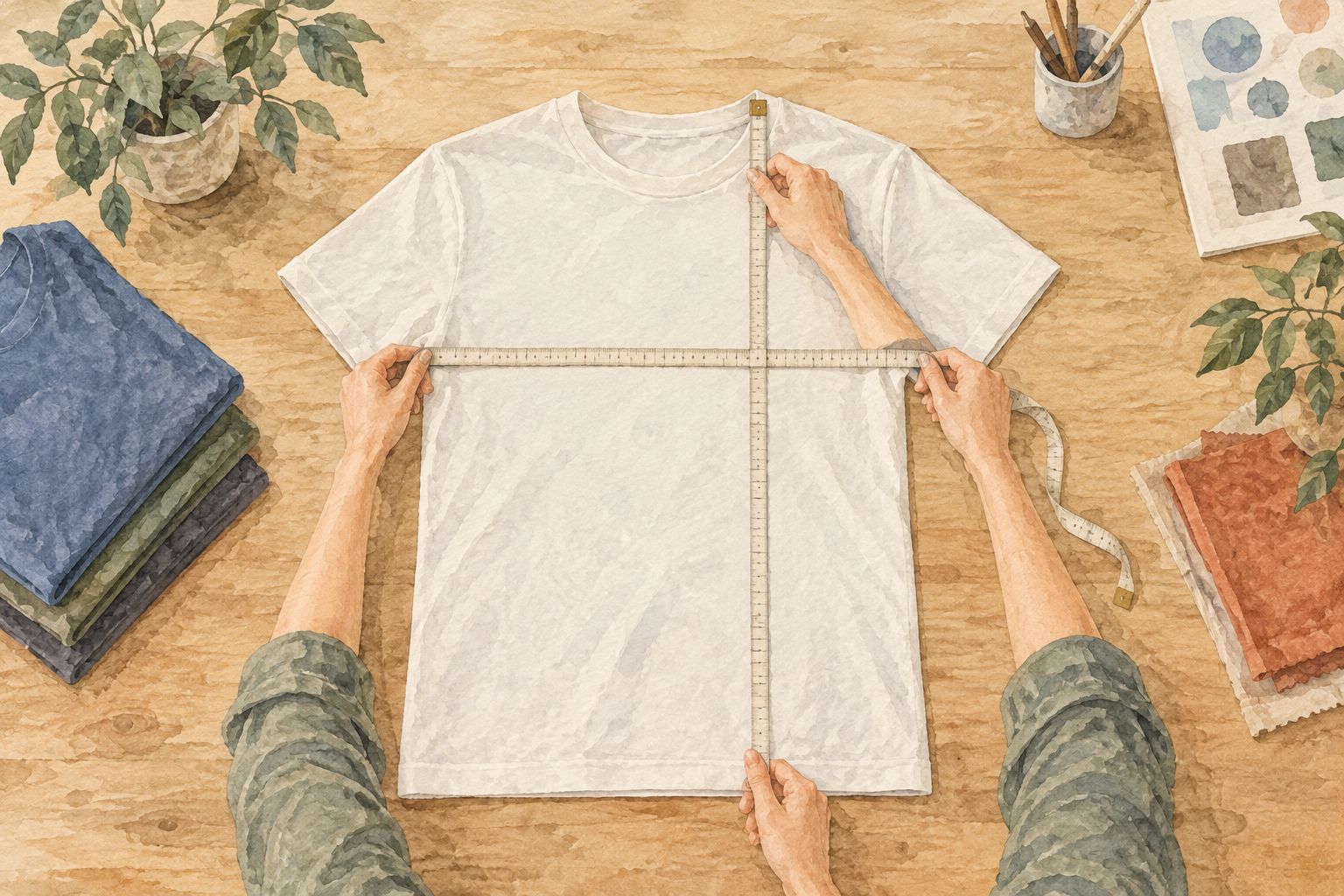
- Lay it flat. Smooth the fabric on a level surface without stretching it. Keep the front and back aligned so twists do not change your readings.
- Measure the relevant dimensions. Record chest width and body length using the same measurement points shown in the product’s guide. Add sleeve or shoulder measurements when the chart provides them.
- Check the chart type. A flat garment width is not the same measurement as your body’s chest circumference. Compare like with like.
- Choose for your intended use. Decide whether you want a close outline, everyday room, or space over another layer. Check how that choice affects length as well as width.
Keep the measurements with a note about what you like. A useful note is specific: comfortable across the chest, sleeves stay put, hem feels right when seated. That gives you more to work with than a saved letter size.
Which fit should you choose?
The labels below describe fit goals, not confirmed cuts offered by a particular store. Use them to decide what you want, then check whether the actual shirt measurements support that choice.
| Fit goal | Best for | Advantage | Trade-off to check |
|---|---|---|---|
| Close fit | Wearing a shirt under another layer | Less extra fabric around the torso | Pulling across the chest, shoulders, or upper arms |
| Everyday fit | Playing seated and wearing the shirt casually | Room to move without deliberately choosing an oversized shape | A familiar size label still needs a measurement check |
| Relaxed fit | A looser silhouette or wearing a base layer | More room through the body | Extra length and sleeves that feel too large |
Choose the fit you enjoy wearing, not the size label you expect to buy. A larger size changes more than chest room, so it is not automatically the right answer to every fit problem.
Start with chest width, not the letter size
Chest width helps you compare the room through the torso. On a flat shirt, the guide might identify a measurement across the garment near the underarms; follow the actual diagram rather than assuming every seller uses identical points.
Do not place a body chest measurement beside a flat shirt width and treat the difference as spare room. Those measurements describe different things. If the chart shows body dimensions, take body measurements as instructed; if it shows garment dimensions, use your reference shirt.
Keep the units consistent, too. One inch equals 2.54 centimeters, so convert before comparing a chart in centimeters with notes in inches. Record the units beside every measurement instead of leaving yourself a mystery number for the next purchase.
Check body length while sitting down
A shirt can feel right across the chest and still be wrong through the body. Before ordering, sit down in your reference shirt and notice where the hem rests, whether it rides up, and whether excess fabric gathers at your waist.
For MTG shirts you plan to wear at the table, use that seated position as part of the fit check. Reach forward as you would during a game. Your reference shirt should stay comfortable without repeated tugging at the hem or shoulders.
When comparing length, use the starting point specified in the product chart. A measurement from the shoulder and a measurement from the neckline are not interchangeable. If the chart leaves that point unclear, ask rather than making the tape measure guess.
Check shoulders, sleeves, and neckline together
Chest room does not tell you everything about upper-body comfort. Put on your reference shirt and notice whether the shoulder area pulls when you reach, whether the sleeves restrict your upper arms, and whether the neckline feels comfortable without adjustment.
A shoulder seam can help you understand a shirt’s shape, but its position alone does not prove the size is wrong. Different cuts place seams differently. Compare the intended silhouette with the fit you want instead of applying a single seam-position rule to every tee.
Sleeve dimensions deserve attention if your favorite shirts tend to feel tight through the arms. When a product page supplies only chest width and length, do not assume the sleeves will match another shirt. Seek clarification if sleeve fit is your usual deal-breaker.
Why MTG shirt fit varies
For a 2026 purchase, compare the actual shirt rather than relying on a previous order’s size. These details explain why similar-looking tees need separate fit checks:
- Measurement type: A chart based on body dimensions answers a different question from a chart based on finished garments.
- Cut: A straight, shaped, or deliberately roomy silhouette distributes fabric differently around your body.
- Fabric composition: Fiber content helps you assess the material, but does not replace measurements or confirm stretch by itself.
- Fabric construction: A fabric’s ability to stretch and recover affects how a shirt feels as you move.
- Garment length: Additional torso room does not resolve a hem that is too short or longer than you prefer.
- Care requirements: Your intended washing and drying routine needs to agree with the garment’s instructions.
Read these details together. A fabric description cannot tell you where the hem will land, and a chest measurement cannot tell you whether you will enjoy the feel against your skin.
What if you are between shirt sizes?
Choose the dimensions that solve your actual fit problem. If your reference shirt feels restrictive across the torso, compare chest width first; if its hem bothers you, focus on length. Do not size up without checking both.
A roomier choice suits someone who wants extra space or plans to wear a layer underneath. Its trade-off is additional fabric elsewhere, which can include a longer body or looser sleeves. Check those dimensions before treating extra room as a free bonus.
For your 2026 order, write down which compromise you prefer before selecting the size. Slightly more room through the torso and a deliberately close outline are different goals. Neither is universally correct, and a vague fit label cannot choose for you.
Should you size up to allow for shrinking?
Do not buy an oversized shirt on the assumption that washing will shrink it into shape. Use the listed fabric details, care instructions, and any explicit shrinkage guidance for that specific garment. There is no dependable universal shrinkage adjustment for every tee.
Check whether the required care fits your habits before you buy. If you want a shirt you can treat exactly like your existing laundry, compare the instructions rather than assuming all printed T-shirts tolerate the same routine.
After the shirt arrives, follow its care label. Trying to force a fit change through heat makes the result harder to predict and is not a substitute for choosing the right dimensions before ordering.
How do you choose a shirt size as a gift?
Ask for the measurements of a favorite shirt, not just the recipient’s usual size. A familiar letter size is a starting point, but it does not tell you their preferred amount of room, sleeve shape, or hem length.
If the gift needs to stay a surprise, ask someone who can check a shirt the recipient genuinely wears. Have that person follow the product’s measurement diagram. Measuring an old shirt that stays at the bottom of a drawer gives you the wrong reference, however neatly you do it.
For a 2026 gift, separate the design decision from the fit decision. You can know exactly which Magic joke will land and still need help choosing the garment. A little sizing reconnaissance is better than guessing the recipient’s body shape.
Make the final check before ordering
Use this checklist after you have found a design you like. The goal is to catch unresolved fit questions before the shirt becomes a made-to-order purchase.
- Reference: Your comparison shirt reflects how you want the new shirt to fit.
- Measurements: Your notes use the same units and measurement points as the product chart.
- Movement: You have checked comfort while seated and reaching forward.
- Fabric: You have read the composition and any stated information about stretch or feel.
- Care: You are willing to follow the garment’s actual washing and drying instructions.
- Fit questions: You have clarified missing details rather than assuming another shirt’s specifications apply.
Equip Cost Zero makes MTG apparel to order, which suits players choosing a pun design for their own wardrobe. The buying trade-off is that you should not assume immediate dispatch: production and shipping are separate stages. Confirm the current timing if you need the shirt for a particular event.
FAQ
What's the best way to choose a size for MTG shirts?
Compare the specific product’s size chart with a shirt you already like wearing. Use matching measurement points and units, then check the cut, fabric, and care instructions.
Should MTG shirts fit tightly or loosely?
MTG shirts should fit the way you prefer to wear them, with enough room for your intended movement. Check comfort while sitting and reaching instead of choosing by appearance alone.
Should I order my usual T-shirt size?
Your usual T-shirt size is a starting point, not a reliable substitute for the product’s chart. Compare garment measurements because the same letter label does not guarantee the same dimensions.
What should I do if I fall between sizes?
Choose according to the dimension and silhouette that matter most to you. Check the resulting body length and sleeve room before selecting the larger size.
How do I measure a shirt without stretching it?
Lay the shirt on a flat surface and smooth it gently without pulling the fabric. Follow the product guide’s measurement points and keep the tape flat.
Can I shrink a shirt to get the right fit?
Do not rely on shrinking a shirt to achieve the right fit. Choose using the product measurements and follow the garment’s care instructions rather than trying to force a size change.
How should I choose an Equip Cost Zero shirt as a gift?
Choose an Equip Cost Zero shirt using the recipient’s preferred garment measurements and a pun they will enjoy. Check the specific product details rather than assuming every design has the same fit.
One last thing
Before your next 2026 shirt order, keep a small fit note on your phone: reference shirt, chest width, body length, and what you like about wearing it. Update the note when your preferences change. That turns the next purchase into a comparison instead of another sizing guess.
Choose the garment first and the joke second. You want the table to notice the pun, not watch you adjust your sleeves through every turn.