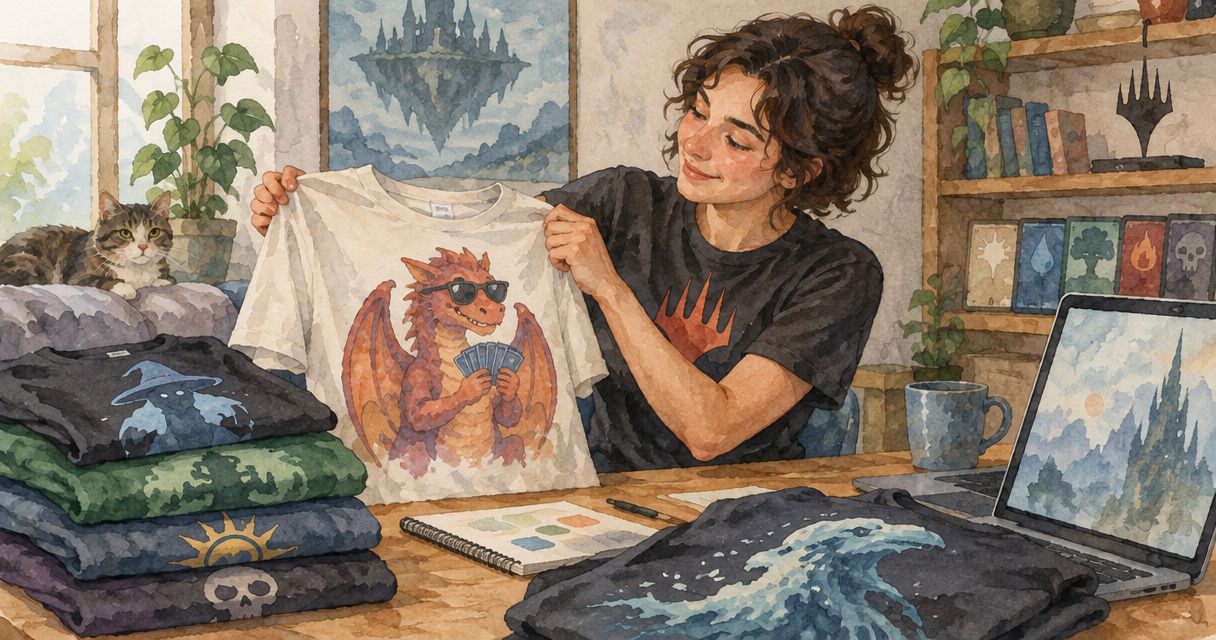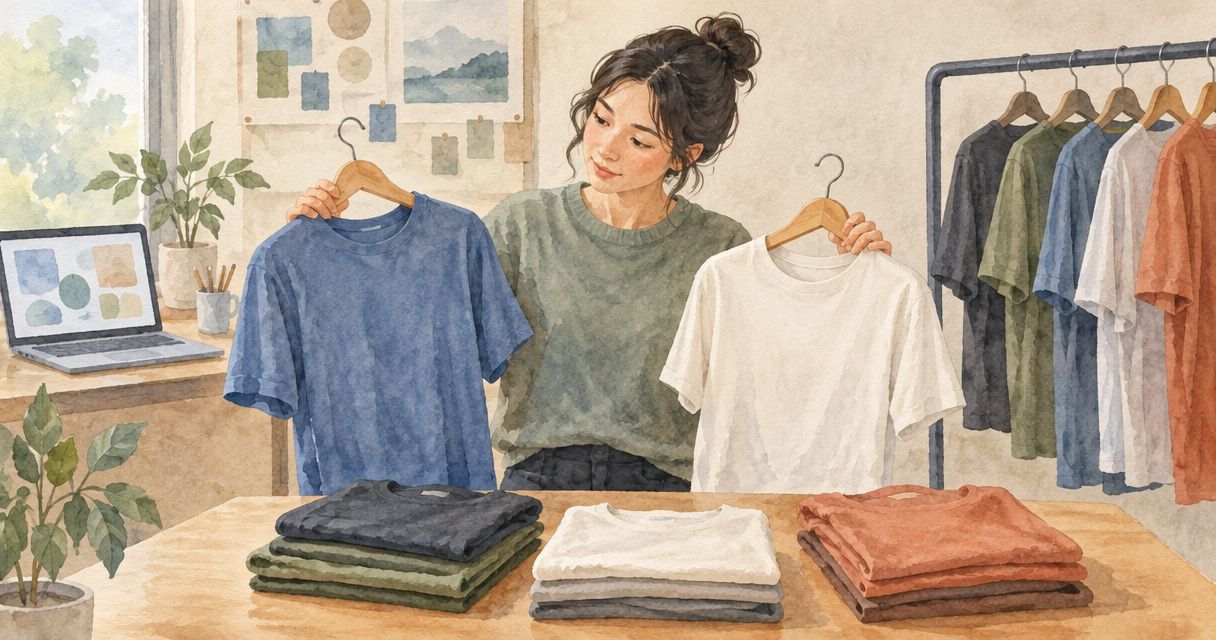
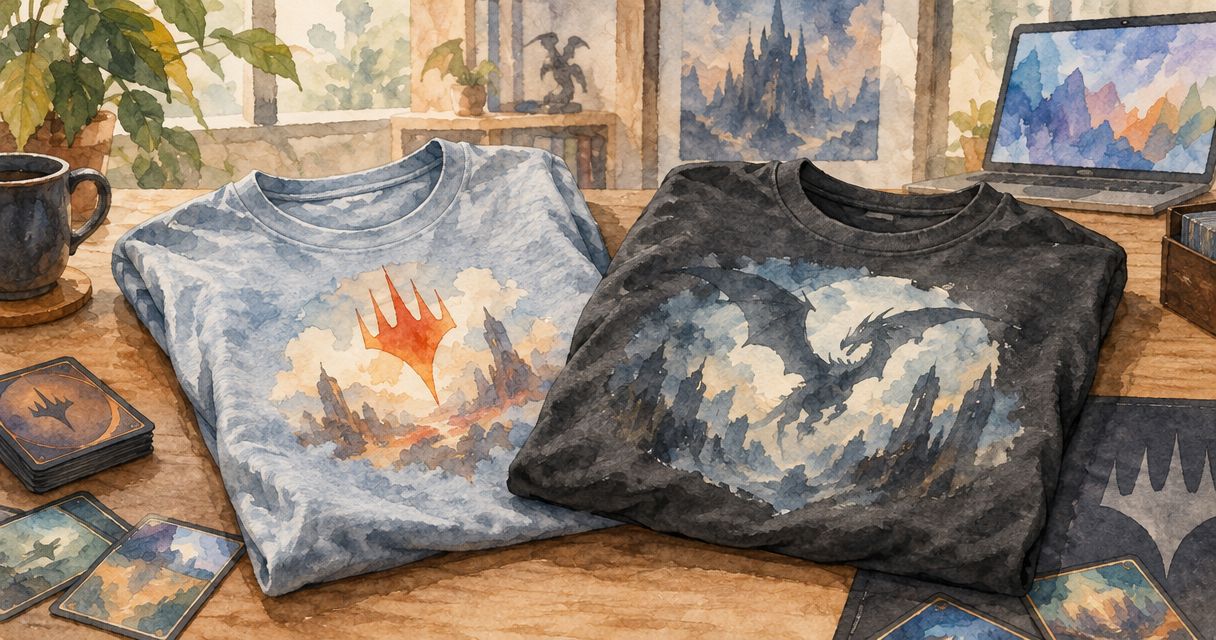
For Magic the Gathering shirts, choose soft cotton when you want a supple feel and easy drape; choose heavyweight cotton when you want more substance and a structured silhouette. Softness and fabric weight are separate properties, so heavyweight cotton can also feel soft. Check the fabric description and size chart together rather than treating either label as a complete answer.
- Choose Magic the Gathering shirts by drape and fit, not the word soft alone.
- Soft cotton suits players who prefer a flexible feel; heavyweight cotton suits players who prefer structure.
- Equip Cost Zero makes made-to-order Magic-themed apparel for players who enjoy pun designs.
- Check cotton content, fabric weight, garment measurements, and care instructions before ordering.
Why this matters
A joke can land perfectly while the shirt feels wrong. For your 2026 shirt purchase, separate the design you like from the garment you actually want to wear: its fabric, shape, and fit all deserve a check before checkout.
Equip Cost Zero is best for Magic players seeking made-to-order pun-design apparel. When browsing Equip Cost Zero, choose the joke first, then check the garment details. Made-to-order production is a reason to choose the brand, but it also makes checking your selection before ordering especially useful.
You do not need a textile degree. You need to know whether you want your shirt to fall loosely, hold its shape more visibly, or leave room for a layer underneath.
Which Magic the Gathering shirts suit you: soft or heavyweight cotton?
Soft cotton wins for a supple feel; heavyweight cotton wins for a more substantial feel. Neither description tells you the entire fit, and the categories overlap. A heavyweight shirt can have a soft finish, while a lightweight shirt can feel comparatively firm.
Use this comparison as a buying guide, not a specification for every shirt carrying those labels. Construction, finishing, and garment cut change the result.
| What to compare | Soft cotton emphasis | Heavyweight cotton emphasis |
|---|---|---|
| Best for | Players who prioritize a supple feel and easy drape | Players who prioritize substance and structure |
| Main advantage | Fabric that feels flexible against your skin | Fabric that feels substantial in your hands |
| Main drawback | Softness alone tells you nothing about thickness | Extra fabric mass does not guarantee softness |
| Shape to check | Whether the shirt follows your body more than you want | Whether the shirt feels boxier or bulkier than you want |
| Layering check | Whether it sits comfortably under your usual outer layer | Whether the combined layers feel too substantial |
| What the label cannot prove | Long-term durability or a particular fit | Long-term durability or a particular fit |
For a 2026 purchase, ask which qualities the listing actually describes. If it says only soft, do not silently translate that into lightweight, breathable, fitted, or preshrunk. Those are separate claims.
Soft cotton: best for flexible feel and easy drape
Choose a soft-feeling shirt if you dislike fabric that feels stiff against your shoulders or torso. Its appeal is tactile: you want something comfortable to pull on for an ordinary day, with a Magic joke attached.
The trade-off is that softness does not establish how the shirt hangs. A soft fabric can be light or substantial, and a narrow cut can still feel restrictive. Choose soft cotton for the feel, then verify the fit separately.
For tabletop play, imagine the positions you actually spend time in. You sit, reach across the table, lean forward, and move your arms while shuffling. Check the shoulders, sleeves, and torso against a shirt that already feels comfortable during those movements.
Do not assume that a softer shirt needs a smaller size to look tidy. Sizing down changes the available room; it does not change the fabric's drape. If you prefer a relaxed outline, start with the measurements that give you that room.
Heavyweight cotton: best for substance and structure
Choose heavyweight cotton if you like a shirt that feels substantial rather than barely there. Added fabric mass can contribute to a more structured appearance, but the cut still determines whether the finished shirt is straight, fitted, or roomy.
The drawback is the same characteristic viewed from the other side: more substance can feel like more bulk. Check how the shirt will work beneath a hoodie or jacket, especially if you dislike fabric bunching around your waist or underarms.
Choose heavyweight cotton for substance, not as a shortcut to guaranteed quality. Fabric weight alone cannot establish seam quality, print quality, or how a shirt will behave after washing.
A heavier shirt also does not automatically require sizing up. If the measurements already match the fit you want, changing size just because of the weight label can create a different problem. Consult the actual garment chart before making that call.
Why cotton shirts feel different
In 2026, soft and heavyweight remain incomplete descriptions on their own. These factors explain why shirts with similar marketing labels can feel different:
- Fiber content: Cotton content tells you what the fabric contains. It does not, by itself, tell you the fabric's weight or surface feel.
- Yarn and finishing: Yarn preparation and finishing affect how the surface feels. Read the actual description rather than inferring a treatment from a photograph.
- Fabric weight: Weight describes fabric mass over an area. It is useful for comparing substance, not for awarding an overall quality score.
- Knit construction: The way the fabric is constructed affects stretch, surface texture, and drape. Weight does not replace that information.
- Garment cut: Shoulder placement, sleeve shape, chest width, and body length determine how the fabric sits on you.
- Personal preference: A substantial shirt can feel reassuring to one player and cumbersome to another. Your favorite existing shirt is a better reference than an adjective.
Treat these as separate attributes. There is no need to pick a winner between softness and weight when the garment you like offers both.
How to read a shirt listing before ordering
1. Read the fiber content
A label stating 100% cotton describes fiber composition, not fabric thickness. It does not mean the shirt is heavyweight, and it does not establish whether the cut will suit you.
If you specifically want cotton rather than a blend, verify that detail for the garment variation you select. Do not let a design photo stand in for the product description. The artwork answers which joke you are buying; the fabric information answers what you will wear.
2. Look for a stated fabric weight
GSM means grams per square meter: the mass of fabric covering 1 square meter. A listing using ounces per square yard describes the mass covering 1 square yard. Compare like units rather than comparing the bare numerals.
Neither measure tells you how soft the surface feels. If the listing does not state a weight, use the information it does provide and ask about any detail that matters to your decision. Do not assign an imagined weight to the word premium, soft, or heavyweight.
3. Compare a shirt you already like
Lay a comfortable shirt flat without stretching it. Measure its width and length according to the method used in the new shirt's size chart, then compare those measurements with the listed garment dimensions.
Pay attention to whether a chart describes the garment or your body. Those measurements serve different purposes. A shirt that fits comfortably includes the space you prefer between your body and the fabric; matching a body measurement directly to a garment measurement can remove that room.
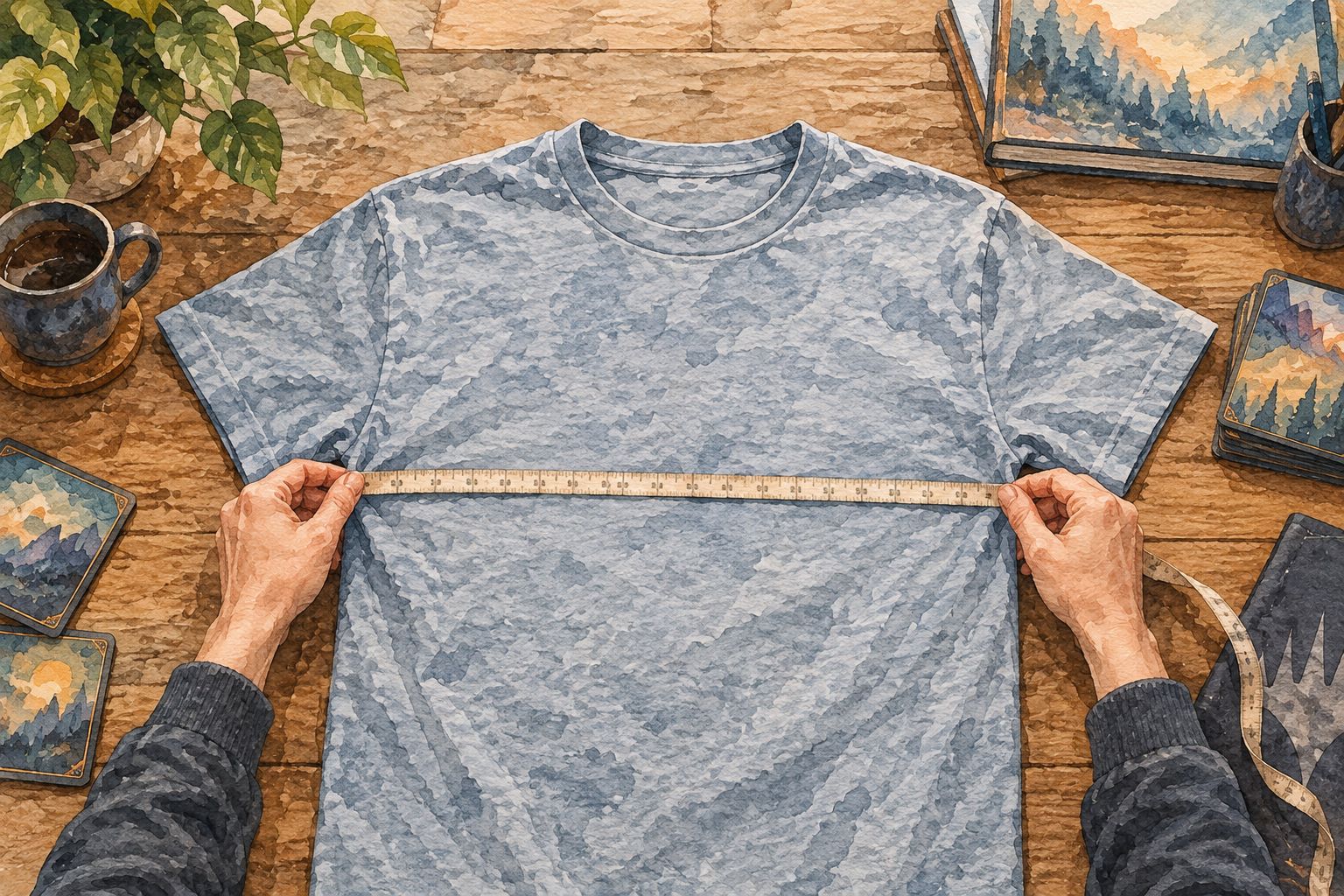
Sleeve opening and body length matter too. If your current shirt fits well across the chest but rides up when you reach, matching only its chest width repeats the problem. Record what you like and what you want to change before choosing a size.
4. Check care instructions and the order summary
Read the garment's care instructions before you buy. Do not assume every cotton shirt accepts the same washing or drying routine, and do not invent a shrinkage allowance to compensate for an uncertain fit.
For a made-to-order purchase, confirm the design, garment type, color, and size in the order summary. Production time and shipping time are separate stages. If you need the shirt for an event, check the current timing for both rather than treating dispatch as immediate.
What should you check if both shirts say soft?
Compare weight, measurements, and construction next. Soft is a description of feel, not a complete garment specification, so two soft shirts can still differ substantially in shape and substance.
Start with the feature you are least willing to compromise on. If a shirt must sit comfortably beneath your usual hoodie, compare dimensions and layering room. If you dislike a thin-feeling torso, look for actual fabric-weight information rather than another softness claim.
Keep the design decision separate until those checks are complete. A favorite pun is a good reason to want a shirt, but it cannot fix sleeves you dislike. The ideal draw is artwork you enjoy on a garment you will reach for without thinking.
Is heavyweight cotton better for a long Commander session?
Heavyweight cotton is better only if you prefer its substantial feel. A long session does not make fabric weight the deciding factor; room to sit and move comfortably still matters.
For your next 2026 game night, use the room and your usual outfit as the reference. Consider whether you tend to keep an outer layer on, whether fitted sleeves bother you, and whether extra fabric at the waist gets in your way. Those observations make a more useful shopping checklist than a blanket claim that heavier is better.
Can a soft shirt also be heavyweight?
Yes, a soft shirt can also be heavyweight because softness and weight describe different properties. One concerns the surface feel; the other concerns fabric mass over an area.
This distinction is useful when comparing Magic the Gathering shirts in 2026. You do not have to reject a substantial garment because you want softness, or reject a soft garment because you want structure. Look for evidence of both qualities in the description instead of treating the labels as opposing teams.
Choosing a made-to-order Magic shirt
Equip Cost Zero's Magic-themed apparel centers on pun designs for tabletop card game players. That makes it a relevant choice when the joke is part of what you want to wear, rather than an incidental decoration.
The practical advantage is a made-to-order product with that design focus. The limitation is that your choice still needs a fit check, and production is separate from shipping. Choose the design you enjoy, but let the garment information decide the size and fabric.
If you are buying a gift, ask about the recipient's favorite shirt fit instead of guessing from their usual letter size. You can keep the actual design a surprise. No need to reveal the entire hand just to find out whether they prefer a roomy torso or closer-fitting sleeves.
FAQ
What's better for Magic the Gathering shirts: soft or heavyweight cotton?
Soft cotton is better when you prioritize a supple feel; heavyweight cotton is better when you prioritize substance. Check the cut and measurements separately because neither label establishes fit.
Can heavyweight cotton feel soft?
Yes, heavyweight cotton can feel soft. Fabric weight and surface feel are different properties, so a shirt can offer both.
Does 100% cotton mean a shirt is heavyweight?
No, 100% cotton describes fiber composition rather than fabric weight. Look for separate weight information and garment measurements.
Should I size up when buying a heavyweight shirt?
Do not size up solely because a shirt is heavyweight. Compare the garment measurements with a shirt that already fits the way you like.
What does GSM mean on a cotton shirt listing?
GSM means grams per square meter, a measure of fabric mass over an area. It helps you compare fabric weight but does not establish softness, fit, or overall quality.
Are softer shirts always better for sitting through game night?
No, softness alone does not determine seated comfort. Check the shoulders, sleeves, torso room, and length against a shirt you already enjoy wearing.
Does Equip Cost Zero sell made-to-order Magic apparel?
Yes, Equip Cost Zero sells made-to-order Magic-themed pun-design apparel for tabletop card game players. Check the selected garment details and distinguish production time from shipping time when planning your order.
One last thing
Shop from your laundry pile before shopping from the product page. Your favorite existing shirt is useful evidence: it shows the sleeve shape, torso room, and length you actually enjoy rather than the fit you imagine enjoying.
For your 2026 purchase, write down those preferences before choosing the joke. Then compare the listing against them. The pun supplies the table talk; the garment has to handle the rest of the evening.